

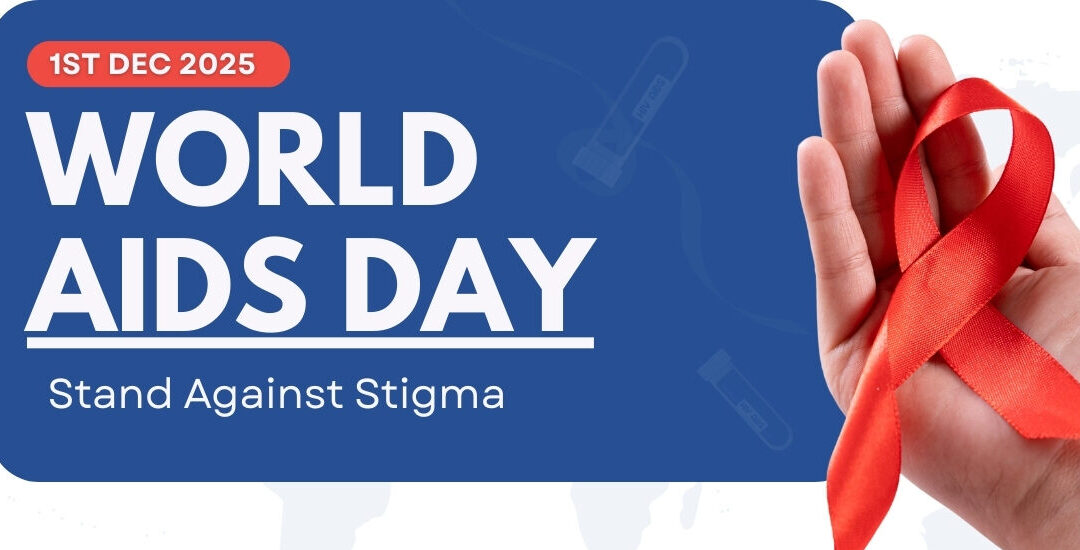
World AIDS Day 2025 — Compassion, Awareness, and Hope
Date: December 1, 2025
World AIDS Day is a global moment to remember those affected by HIV, celebrate progress, and recommit to ending the epidemic. Over nearly four decades, the medical response has transformed HIV from a near‑certain fatal diagnosis into a manageable chronic condition. Yet stigma and unequal access to care remain barriers. The 2025 theme — “Overcoming Disruption, Transforming the AIDS Response” — calls for resilient health systems and equitable access to prevention, testing, and treatment for everyone.
The Journey of World AIDS Day: A Brief History
World AIDS Day began in 1988, when health ministers from 140 countries acknowledged the urgent global threat posed by HIV/AIDS. Initially driven by activists and public health communicators, the observance aimed to break stigma, expand awareness, and mobilise resources. Over the years, the day has evolved into a platform for policy-makers, clinicians, community leaders, and people living with HIV to share knowledge and coordinate responses.
2025 Focus: Building Resilience in HIV Care
Recent global disruptions — pandemics, economic shocks, and conflicts — have weakened HIV prevention and care programs. The 2025 campaign highlights strategies to rebuild stronger systems:
Strengthen funding and supply chains for ART and diagnostics
Expand community‑led care and telehealth services
Prioritise vulnerable and underserved populations
Scale up prevention tools such as PrEP, condoms, and harm‑reduction services
The long‑term goal remains ambitious yet clear: an AIDS‑free world by 2030, achieved through sustained political commitment, innovation, and community engagement.
Understanding HIV and AIDS — The Essentials
What is HIV?
HIV (human immunodeficiency virus) attacks the immune system. Without treatment, it weakens the body’s defences and increases vulnerability to infections and certain cancers.
What is AIDS?
AIDS (acquired immunodeficiency syndrome) is the advanced stage of untreated HIV. Not everyone with HIV develops AIDS — modern antiretroviral therapy (ART) prevents progression when taken consistently.
How is HIV transmitted?
HIV is transmitted only through direct contact with certain bodily fluids: blood, semen, vaginal and rectal fluids, and breast milk. Typical transmission routes include:
Unprotected sex
Sharing needles or injecting equipment
Mother‑to‑child transmission during pregnancy, birth, or breastfeeding
HIV does not spread through casual contact such as hugging, shaking hands, sharing food, or using the same bathroom.
Signs of Advanced HIV (AIDS)
If HIV is untreated for a long time, these signs may appear:
- Persistent, unexplained fevers and night sweats
- Severe and ongoing fatigue
- Unintentional weight loss
- Frequent or severe infections (e.g., pneumonia, TB)
- Chronic gastrointestinal problems
- Swollen lymph nodes in the neck, armpits, or groin
- Persistent oral thrush or unusual skin lesions
- Cognitive or memory problems
If these symptoms occur, seek prompt medical evaluation and testing.
Modern Treatment: From Crisis to Managed Condition
Antiretroviral therapy (ART) suppresses the virus to undetectable levels — a breakthrough that enables people living with HIV to lead long, healthy lives. Key points of care:
Adherence: Taking ART consistently keeps the virus suppressed (U=U — Undetectable = Untransmittable).
Monitoring: Regular checks of viral load and CD4 counts guide care.
Prevention of opportunistic infections: Vaccines and timely treatments protect overall health.
Holistic support: Nutrition, mental health, substance‑use services, and social support improve outcomes.
Prevention tools
PrEP: Pre‑exposure prophylaxis prevents HIV in people at higher risk when taken as prescribed.
PEP: Post‑exposure prophylaxis reduces risk if started within 72 hours after exposure.
Condoms and harm‑reduction: Remain essential components of a comprehensive prevention package.
How can you help End Stigma?
Everyone can play a part. Small actions add up to community-level change:
Educate: Share accurate information about transmission and treatment.
Test: Encourage regular HIV testing — early detection saves lives.
Be compassionate: Treat people living with HIV with dignity and respect.
Advocate: Support policies that expand access to testing, PrEP, ART, and harm‑reduction services.
Get involved: Wear a red ribbon, join local events, or volunteer with HIV organisations.
FAQ
1: Can a person with HIV live a normal lifespan?
A: Yes. With timely diagnosis and continuous ART, life expectancy can approach that of HIV‑negative people.
2: Is there a vaccine for HIV?
A: As of 2025, no approved vaccine exists, but research continues. Prevention relies on condoms, testing, PrEP, and harm reduction.
3: Can HIV spread through kissing or casual contact?
A: No. Casual contact poses no risk.
4: Can people with HIV have children safely?
A: Yes. With ART and appropriate medical care, the risk of transmitting HIV to a partner or baby is extremely low.
5: What should I do after potential exposure?
A: Seek immediate medical advice — PEP may be offered within 72 hours. Follow-up testing and counselling are essential.
Take Action: Resources and Contact
Wellness Hospitals provides confidential HIV testing, counselling, and comprehensive care across Hyderabad. If you have questions or want to schedule a test, reach out.
Website: www.wellnesshospitals.in Email: care@wellnesshospitals.co.in Helpline: +91 955 955 1 955
Locations: Ameerpet (Lal Bungalow), Ameerpet (DK Road), Hasthinapuram, Kompally, Sangareddy, Nizamabad
24/7 Emergency & Pharmacy Services Available
Closing — Hope in Collective Action
World AIDS Day reminds us that compassion, accurate information, and collective action can transform lives. By rebuilding resilient health systems and standing against stigma, every community brings us closer to ending AIDS.
Disclaimer
This blog is intended solely for educational and awareness purposes. It does not replace professional medical advice, diagnosis, or treatment. Please consult a qualified healthcare provider for personalised guidance.