


Osteoarthritis: Causes, Treatment Options & How to Stay Active
Osteoarthritis (OA) is one of the most common joint conditions affecting adults today. It gradually wears down the protective cartilage in your joints, causing stiffness, pain, and reduced mobility. While OA is often associated with ageing, it can also affect younger adults due to lifestyle choices, injuries, or genetics.
The good news? With the right understanding and practical strategies, you can manage osteoarthritis, reduce pain, and stay active without worsening your symptoms. This blog breaks down the causes, treatments, and effective ways to maintain mobility in a simple, relatable, SEO-friendly format.
What Is Osteoarthritis?
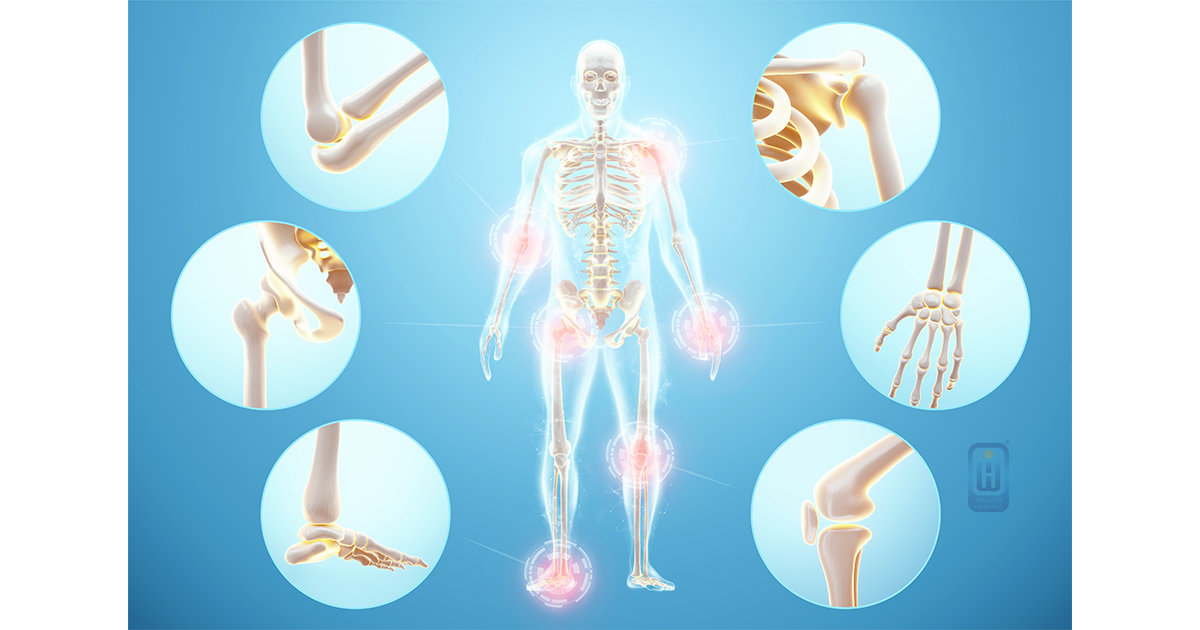
Osteoarthritis is a degenerative joint disease where cartilage — the cushioning material between bones — slowly breaks down. As the cushioning becomes thinner, bones start rubbing against each other, leading to pain, swelling, and limited movement.
Osteoarthritis commonly affects the:
- Knees
- Hips
- Hands
- Spine
OA is a progressive condition, but early diagnosis and proper management make a huge difference in slowing its progression.
Common Causes of Osteoarthritis
Osteoarthritis develops due to a combination of lifestyle, biological, and environmental factors. Some of the most common causes include:
1. Ageing
With age, the cartilage naturally loses elasticity and the ability to repair.
2. Previous Injuries
Joint injuries from sports, accidents, or heavy physical work increase long-term OA risk.
3. Excess Body Weight
Extra weight puts additional pressure on joints — especially the knees, hips, and spine — accelerating cartilage breakdown.
4. Genetics
If your parents or grandparents had OA, you might be genetically predisposed.
5. Repetitive Stress on Joints
Jobs or daily activities that involve kneeling, squatting, lifting, or repetitive movements can strain joints.
6. Weak Muscles
Muscles support your joints. When they weaken, the joint takes more load, increasing OA risk.
Understanding the cause helps you take the right steps to protect your joints.
Symptoms of Osteoarthritis
Most people start noticing symptoms gradually, such as:
- Joint stiffness, especially in the morning
- Swelling around the affected joint
- Pain during movement or after long activity
- Reduced flexibility
- A “grating” feeling when moving the joint
- Tenderness around knees, hips, or hands
If these symptoms are affecting your daily life, it’s important to consult a rheumatologist early.
Effective Treatment Options for Osteoarthritis
There is no complete “cure” for osteoarthritis yet, but several effective treatments help relieve pain and improve mobility. A combination of lifestyle changes and medical care usually gives the best results.
1. Medications
These help manage inflammation and pain:
- NSAIDs (pain relievers)
- Steroid injections
- Hyaluronic acid injections
2. Physical Therapy
Physiotherapists teach exercises that:
- Increase flexibility
- Strengthen supporting muscles
- Reduce joint strain
3. Weight Management
Even a small weight reduction can significantly reduce the load on the knees and hips.
4. Assistive Devices
Knee braces, orthotic shoes, walking aids, or stick support help prevent further damage.
5. Heat & Cold Therapy
- Heat relaxes stiff muscles
- Cold reduces swelling and pain
6. Advanced Treatments
In severe cases, your doctor may recommend:
- PRP therapy
- Joint lubrication injections
- Partial or total joint replacement (knee/hip)
How to Stay Active With Osteoarthritis
Staying active is one of the BEST things you can do to manage OA. Avoiding movement actually leads to more stiffness and pain.
1. Choose Low-Impact Exercises
Great options include:
- Walking
- Cycling
- Swimming
- Yoga
- Pilates
2. Strength Training
Building strength in the legs, hips, and core helps protect your joints.
3. Stretching
Daily stretching improves flexibility and reduces stiffness.
4. Maintain Proper Posture
Poor posture strains your spine and knees more than you realise.
5. Avoid High-Impact Activities
Activities like running, jumping, or sudden twisting movements may worsen OA.
Consistency is more important than intensity — keep moving, even if it’s slow and gentle.
FAQ
1. Can osteoarthritis be reversed?
Not yet, but treatments can slow progression and reduce symptoms significantly.
2. What foods worsen joint pain?
Processed foods, sugary snacks, and high-salt foods may increase inflammation.
3. Is walking good for osteoarthritis?
Yes — walking is one of the best low-impact exercises for joint health.
4. When do I need knee replacement surgery?
When pain becomes severe and daily activities are difficult despite treatment.
5. Should I avoid exercise if my knees hurt?
No — avoid overexertion, but gentle exercise improves OA symptoms dramatically.
Summary
Osteoarthritis can be challenging, but with the right care and lifestyle choices, you can reduce pain, improve mobility, and stay active. Understanding the causes and treatments empowers you to take control of your joint health. Whether it’s daily walking, strength training, or professional treatment, every step you take helps protect your joints.
Disclaimer
This article is intended for educational and informational purposes only. It is not a substitute for medical diagnosis or personalised treatment. Please consult a rheumatologist or healthcare professional for proper evaluation.