


Lung Health: From Air Pollution to Chronic Respiratory Issues
Healthy lungs are essential for a strong and active life, yet millions of people today are struggling with breathing difficulties—many without realising the real cause. The rise in air pollution, urban exposure to dust and smoke, and everyday lifestyle habits have dramatically increased the risk of chronic respiratory issues worldwide. Whether it’s asthma, COPD, bronchitis, or general breathlessness, respiratory problems are becoming more common than ever.
This blog explores how environmental changes, lifestyle factors, and hidden risks affect lung health. Written in a simple, conversational tone, it explains symptoms, causes, and the steps individuals can take to protect their lungs.
The Link Between Air Pollution and Lung Health
Air pollution has become one of the leading contributors to declining lung health. Microscopic particles from vehicle emissions, industrial smoke, dust, chemicals, and even household pollutants can enter deep into the lungs. Over time, prolonged exposure may lead to:
- Inflammation in the airways
- Persistent cough
- Reduced lung capacity
- Chronic respiratory diseases
- Worsening asthma symptoms
Even people with healthy lungs can develop respiratory issues if they live in highly polluted areas. Those with pre-existing conditions may experience flare-ups and worsening symptoms.
Common Chronic Respiratory Issues Caused by Environmental Factors
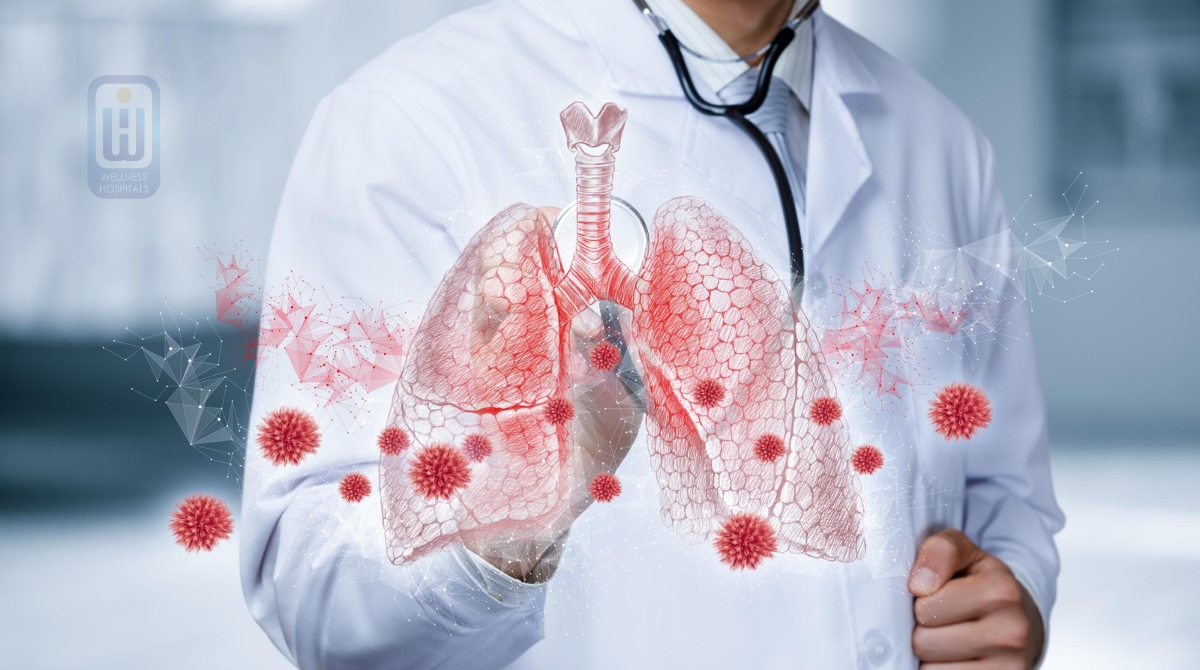
Chronic respiratory issues develop slowly, often progressing unnoticed. The most common conditions linked to pollution and lifestyle include:
1. Asthma
Triggers by allergens, smoke, temperature changes, and pollution. Symptoms include wheezing, tightness in the chest, and breathlessness.
2. COPD (Chronic Obstructive Pulmonary Disease)
Usually caused by smoking and long-term exposure to pollutants. It leads to difficulty breathing, chronic cough, and limited airflow.
3. Chronic Bronchitis
Persistent cough lasting for months due to irritated airways.
4. Emphysema
Damage to air sacs in the lungs makes breathing extremely difficult.
5. Allergic Respiratory Issues
Dust, pollen, pet dander, and chemicals can trigger chronic inflammation.
Symptoms You Should Never Ignore
Regardless of age or lifestyle, any of the following symptoms may indicate trouble:
- Long-term cough
- Shortness of breath
- Frequent throat irritation
- Wheezing or whistling sound while breathing
- Chest tightness
- Fatigue during minor physical activity
- Recurring infections
Ignoring these signs may lead to worsening respiratory issues.
Tips to Protect and Strengthen Your Lung Health
Here are practical, pulmonologist-approved ways to improve lung function:
Stay Away from Polluted Environments
Use a mask outdoors, especially near traffic or construction areas.
Quit Smoking
Smoking remains the leading preventable cause of lung damage.
Improve Indoor Air Quality
Use air purifiers, avoid incense sticks, and ventilate rooms properly.
Regular Breathing Exercises
Yoga, deep breathing, and simple lung exercises help expand lung capacity.
Stay Hydrated
Water thins mucus, making it easier to breathe.
Maintain an Active Lifestyle
Walking, cycling, and swimming can strengthen your lungs naturally.
For expert respiratory care and guidance, Wellness Hospitals is committed to protecting your lung health.
FAQ
1. Does sleep apnea make it harder to perform physical activities?
Yes. Low oxygen levels during sleep can lead to daytime fatigue, affecting mobility.
2. Can untreated sleep apnea weaken the lungs over time?
It doesn’t directly weaken the lungs but does strain the cardiovascular and respiratory system.
3. Why do people with sleep apnea feel breathless while walking?
Poor sleep quality reduces oxygen supply, making even small movements feel tiring.
4. Does sleep apnea increase the risk of chronic respiratory issues?
Indirectly, yes. Apnea may worsen conditions like asthma and COPD if untreated.
5. Can treating sleep apnea improve mobility and stamina?
Absolutely. Proper therapy increases oxygen levels, reduces fatigue, and improves movement.
Summary
Lung health is influenced by both environmental and lifestyle factors. With rising air pollution and increased exposure to irritants, respiratory diseases are becoming more common. Understanding the causes, recognising symptoms early, and taking preventive measures can protect your lungs and improve overall well-being. Whether it is chronic conditions like asthma and COPD or emerging concerns related to mobility and sleep apnea, awareness is the first step toward better respiratory health.
Disclaimer
This blog is intended for educational and awareness purposes only. It should not be used as a substitute for medical diagnosis or treatment. Please consult a pulmonologist or healthcare professional for personalised advice.