


Chronic Kidney Disease: Early Signs, Prevention & Modern Treatments
Chronic Kidney Disease (CKD) is becoming one of the most common health challenges worldwide, affecting millions of people silently. What makes CKD especially concerning is that it often progresses quietly until the kidneys are already severely damaged. But with awareness, early screening, and modern treatments, it is absolutely possible to slow its progression and protect kidney health.
This guide explains the early signs of CKD, prevention strategies, and the latest treatment approaches in a simple, conversational way that helps patients and families understand their options clearly.
What Is Chronic Kidney Disease (CKD)?
Chronic Kidney Disease occurs when the kidneys gradually lose their ability to filter waste and excess fluids from the blood. Over time, this leads to the buildup of toxins, which can affect almost every system in the body.
CKD is typically caused by:
- Diabetes
- High blood pressure
- Genetic factors
- Long-term medication use (especially painkillers)
- Recurrent kidney infections
- Autoimmune disorders
The sooner CKD is identified, the better the chances of slowing its progression and avoiding complications like kidney failure.
Early Signs of Chronic Kidney Disease
Many people don’t realise they have CKD until the later stages because symptoms develop slowly. Here are the most important early warning signs:
1. Persistent Fatigue and Low Energy
Kidneys that aren’t functioning well can’t balance minerals and produce enough red blood cells, leading to tiredness and weakness.
2. Swelling in Legs, Ankles, or Face
Poor kidney filtration causes fluid retention, often visible as puffiness or swelling.
3. Frequent or Reduced Urination
Changes in urination—either more often, less often, or foamy urine—can indicate kidney stress.
4. Poor Appetite or Nausea
Toxin buildup in the blood affects digestion and appetite.
5. Dry, Itchy Skin
Impaired kidney filtration causes mineral imbalances that trigger skin irritation.
6. High Blood Pressure
Poor kidney function contributes to elevated blood pressure, which further damages the kidneys.
If you notice any of these symptoms, especially if you have diabetes or hypertension, it’s essential to consult a nephrologist.
Prevention: How to Protect Your Kidneys Today
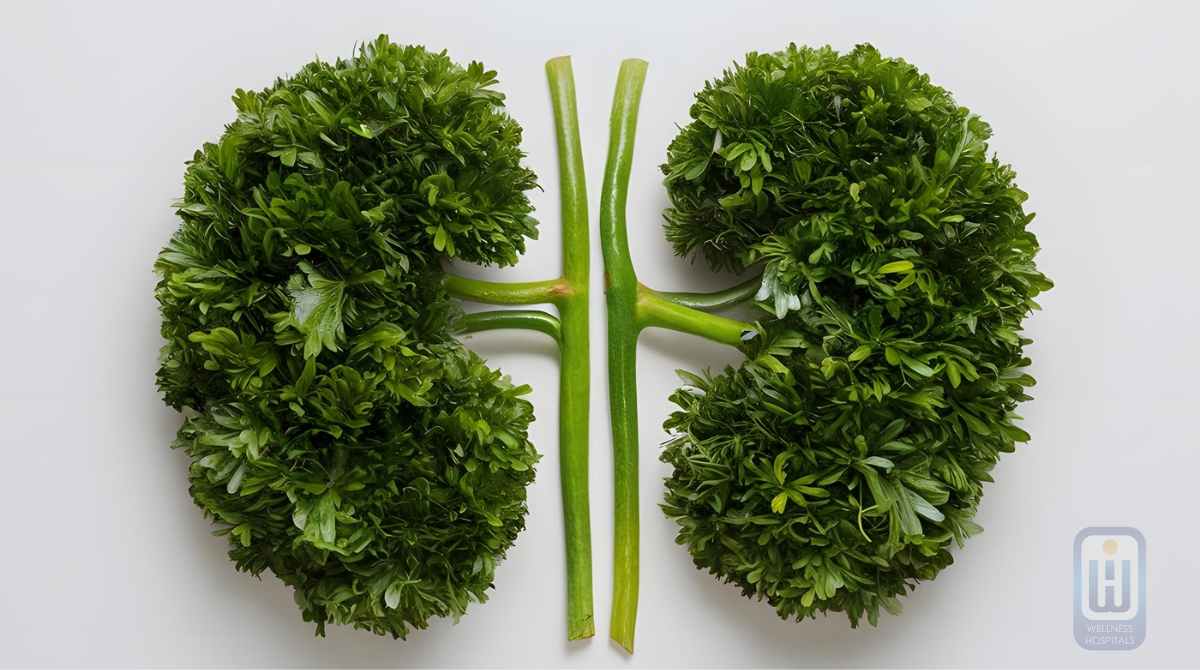
CKD may sound overwhelming, but the encouraging part is that most risk factors can be managed. Prevention starts with small, consistent lifestyle changes.
1. Control Blood Sugar
If you have diabetes, keep your blood sugar levels within the recommended range. This is the most effective way to protect the kidneys.
2. Manage Blood Pressure
Aim for levels under 130/80 mmHg. High blood pressure is a major contributor to kidney damage.
3. Stay Hydrated
Water helps flush toxins and supports healthy kidney function. Aim for 2–3 litres daily unless your doctor advises otherwise.
4. Limit Salt and Processed Foods
High-sodium diets increase blood pressure and worsen kidney strain.
5. Avoid Excessive Painkillers
Long-term use of NSAIDs can damage kidney tissues. Always take pain medication under medical guidance.
6. Maintain a Healthy Weight
Obesity increases the risk of diabetes, hypertension, and CKD progression.
7. Quit Smoking
Smoking lowers blood flow to the kidneys and accelerates damage.
Modern Treatment Options for CKD
Fortunately, advancements in nephrology have made CKD more manageable than ever. Treatment depends on the stage of kidney disease, but commonly includes:
1. Medications
- ACE inhibitors/ARBs to reduce blood pressure and protect the kidneys
- SGLT2 inhibitors (new medications scientifically proven to slow CKD progression)
- Phosphate binders and vitamin D supplements
- Medications for anaemia caused by reduced kidney function
2. Diet Therapy
A kidney-friendly diet helps control potassium, phosphorus, sodium, and protein intake.
3. Regular Blood & Urine Tests
Monitoring creatinine, eGFR, and urine protein levels helps track kidney function.
4. Dialysis
Recommended when kidney function drops below 10–15%. It helps remove waste and excess fluid.
5. Kidney Transplant
For advanced CKD, transplantation offers the best long-term outcomes and improved quality of life.
FAQ
1. Can CKD be reversed?
CKD cannot be fully reversed, but early stages can be slowed significantly with proper care.
2. How do I know if my kidneys are failing?
Look for swelling, fatigue, reduced urine output, and abnormal blood test results like high creatinine or low eGFR.
3. Is dialysis the only option in the late stages?
Dialysis is one option, but kidney transplantation is another effective long-term solution.
4. Can I live a normal life with CKD?
Yes. With regular checkups, medication, and lifestyle adjustments, many patients live active and fulfilling lives.
5. What foods should CKD patients avoid?
High-sodium foods, processed meats, excessive protein, nuts, bananas, and high-potassium or high-phosphorus foods (depending on lab results).
Summary
Chronic Kidney Disease is a growing health concern, but understanding its early signs, taking preventive steps, and exploring modern treatments can greatly slow its progression. Whether you’re at risk or already living with CKD, staying proactive makes all the difference. Healthy kidneys support a healthy life — and the sooner you take action, the better your long-term outcome.
Disclaimer
This article is intended for educational and informational purposes only. It should not replace professional medical diagnosis or personalised treatment. Always consult a nephrologist or healthcare provider for accurate medical advice.